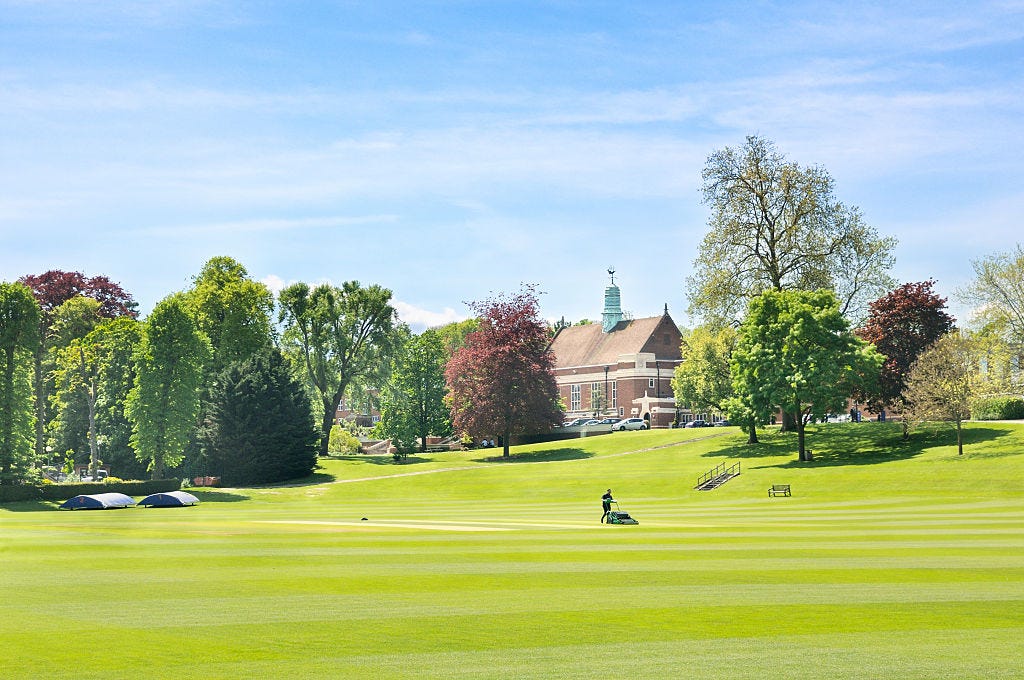
Whitgift School in South London
Here is a representative sample of headlines from the right-wing press in 2023 and 2024 about the prospect of a new Labour government charging VAT on private school fees:
“Private schools will lose nearly half their pupils under Labour, poll finds”
“Whitehall ‘braced for private schools collapse’ due to fee rises”
“Up to 100,000 families will be priced out of private school”
“State schools unprepared for flood of private pupils”
We were told, over and over again, in the pages of the Telegraph, Times, Mail and Spectator that this policy would lead to a vast exodus of pupils to the state sector, which wouldn’t be able to cope with the influx. And that as a result it wouldn’t raise any money or could even end up costing the state.
This was never going to happen and now we have data from the first year of the policy’s introduction to prove it. The number of pupils in the private sector fell by 1.85% this year, from 593k to 582k. They also fell in the state sector by 0.7% due to lower birth rates. The difference between the two – a 1.15% drop – is smaller than that experienced by the private sector during the pandemic. I would expect numbers to fall by similar amounts over the next few years. But it’s not much of an exodus.
The number of private schools has actually increased from 2,421 to 2,456. The rise is mostly due to private equity backed companies opening special schools, to take advantage of the rising numbers of pupils with Education and Health Care Plans. But again, the numbers are hardly calamitous for the sector (though The Times made a brave stab suggesting “the increase would have likely been higher” were it not for VAT).
I’m not going to spend this post relitigating whether or not it’s right to charge VAT on fees as I’ve written about it before. The short version is that I’m in favour because I think the state badly needs money to manage our dire fiscal situation. Given the difficulties of a proper wealth tax, raising some cash through taxing things that are mostly the preserve of the rich, like private schools and second homes, is a messy but pragmatic solution. But I appreciate that there are good faith objections to the policy even if I disagree with them. I certainly have no moral objection to people using the schools, anymore than I would object to hiring tutors or buying an expensive house in the catchment area of a good state school. Wanting to help our children succeed is human nature. I just think the state should prioritise those whose parents don’t have the resources to do so.
What I do want to do is look at why the scare stories were so wrong. Then I’ll discuss why, given this, private schools’ approach to lobbying was so misguided, drawing broader lessons for political campaigners and the government.